
Frankie Lang · 31 October 2026
Breeding initiatives across Poland have expanded in recent years to address the pressures that changing weather patterns place on local mint populations, and these programs integrate traditional cultivation knowledge with modern genetic selection methods. Teams at several agricultural research stations focus on identifying traits such as drought tolerance and resistance to temperature fluctuations within existing Mentha species native to the region, while data collected from field sites in the Carpathian foothills and lowland river valleys guide the selection of parent plants for crossbreeding trials. Researchers monitor growth cycles throughout the growing season to document how individual varieties respond to reduced rainfall and earlier spring thaws, and results from these observations feed directly into breeding protocols that prioritize survival rates under variable conditions. In October 2026 several stations plan to release updated catalogs of selected lines that demonstrate consistent performance across multiple test plots, and these catalogs will be shared with regional farms to encourage wider adoption of resilient stock.Mapping Genetic Resources and Selection Criteria
Genetic surveys conducted over the past decade have catalogued dozens of wild and semi-wild mint accessions scattered through Polish river basins and forest edges, and scientists use molecular markers to track diversity within these populations. Selection criteria emphasize not only climate adaptation but also the preservation of unique chemical profiles that contribute to regional aromatic plant heritage, and breeding crosses are designed to maintain those profiles while improving hardiness.
One long-term trial near Kraków compares offspring from highland and lowland parent plants exposed to controlled heat stress, and measurements show that certain hybrid combinations maintain leaf biomass and essential oil content even when temperatures rise several degrees above historical averages. Such findings help refine the list of traits that future breeding cycles will target, and they also inform decisions about which wild populations require additional protection to serve as ongoing sources of genetic material.
Integration with Broader Conservation Frameworks
Polish efforts align with European Union directives on agricultural biodiversity, and project leaders coordinate with agencies in neighboring countries to exchange germplasm and standardized evaluation protocols. Data sharing agreements allow Polish stations to compare their results against trials conducted in more northern or southern climates, and this comparative approach highlights which traits remain stable across wider geographic ranges.
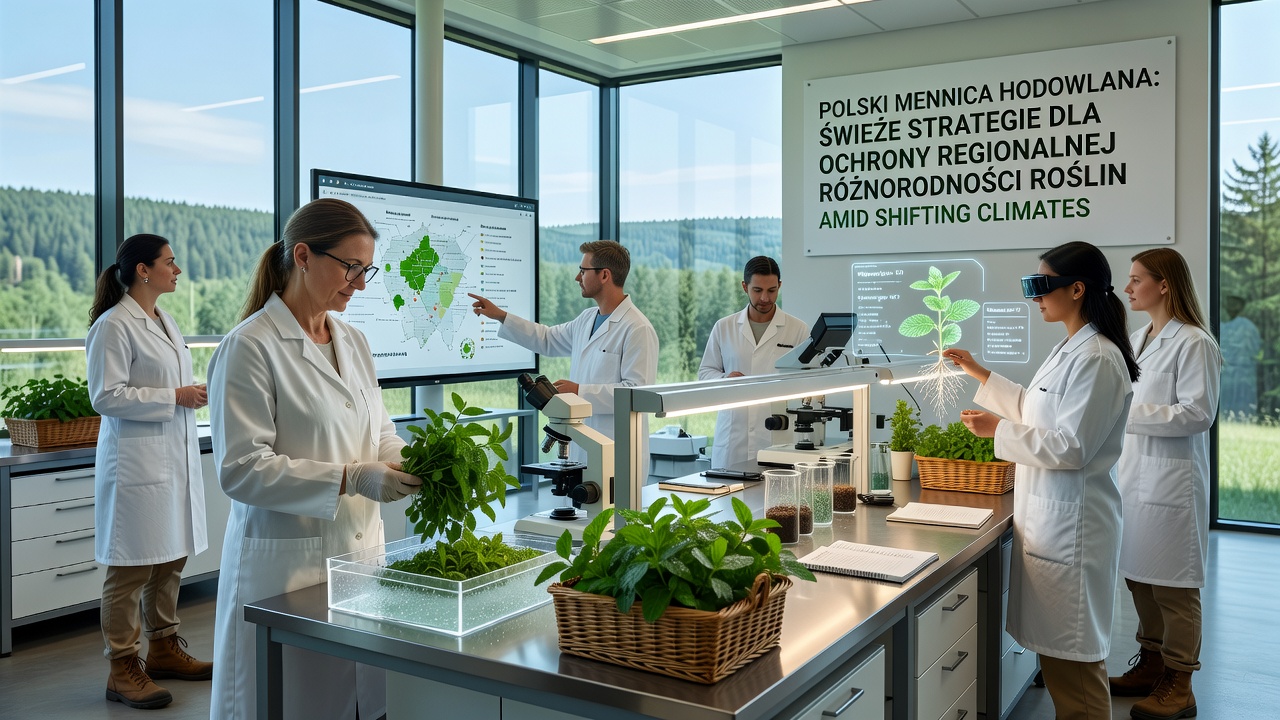
Community seed networks operating in rural districts receive training on how to maintain small-scale multiplication plots for the newly developed lines, and these networks help distribute material to farmers who operate under local microclimates that large research stations cannot fully replicate. Regular workshops cover record-keeping practices that support long-term tracking of performance, and participants report back observations that feed into national databases.
Monitoring Outcomes and Future Projections
Climate models produced by the Polish Institute of Meteorology and Water Management project continued shifts in precipitation timing through the 2030s, and breeding programs incorporate these projections when setting multi-year selection targets. Annual reports track survival rates, yield stability, and disease incidence across trial sites, while satellite imagery supplements ground measurements to assess vegetation health over larger areas.
Partnerships with academic institutions in Canada and Australia provide access to complementary datasets on mint responses in contrasting environments, and joint publications compare adaptation strategies across hemispheres. These collaborations remain focused on open exchange of findings rather than commercial development, and they help Polish teams place their results within a global context of plant resilience research.
Conclusion
Breeding work on Polish mint continues to evolve as new climate data becomes available, and the combination of field observation, genetic analysis, and community involvement supports ongoing efforts to maintain regional plant diversity. Updated protocols scheduled for release in late 2026 will reflect the latest trial outcomes, while existing networks ensure that selected materials reach the farms and conservation sites where they can contribute to long-term ecosystem stability.